What is a Homelab? Your Foundation for Privacy & Cost Savings
Discover how a homelab can be your ultimate defense against privacy invasion while drastically reducing your IT costs. Learn why self-hosting is the future.
Posted by
 Rafal Gawlik
Related reading
Private Cloud vs Public Cloud: When to Self-Host and When Not To
Understand when self-hosting makes sense and when public cloud is better. A practical guide to choosing between private cloud homelab and AWS/GCP/Azure services.
Homelab Documentation: Wiki.js vs BookStack for Self-Hosted Wikis
Document your homelab setup with self-hosted wikis. Compare Wiki.js and BookStack for creating searchable documentation of your infrastructure and procedures.
Self-Hosted Bookmarks: Linkding, Shaarli, and Wallabag
Save and organize bookmarks privately with self-hosted solutions. Compare Linkding, Shaarli, and Wallabag for personal bookmark management in your homelab.
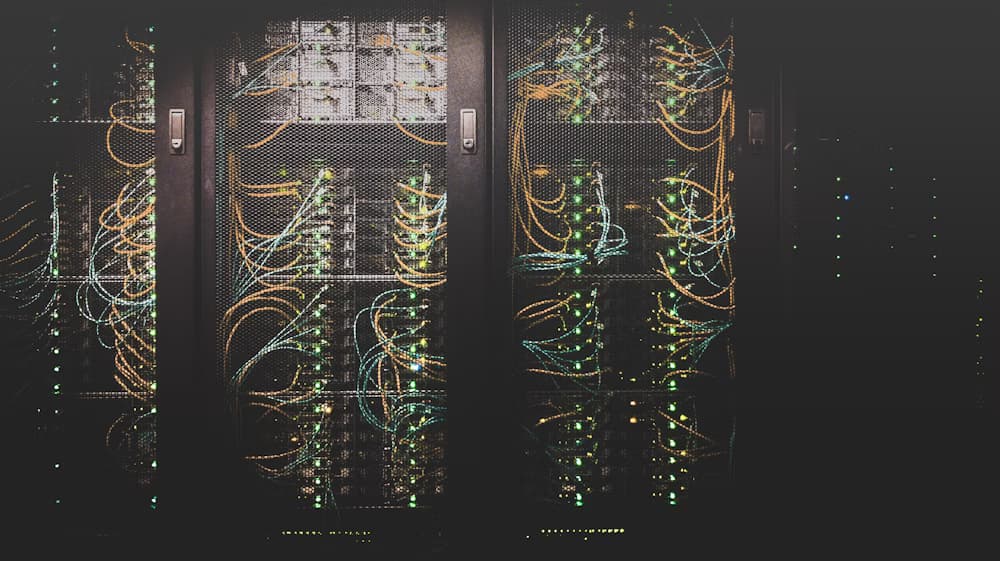
What is a Homelab?
A homelab is your personal data center - a collection of servers, networking equipment, and services that you run from your own home or office. It's the foundation for digital privacy, security, and massive cost savings that puts you back in control of your digital life.
In an age where tech giants profit from your personal data and subscription services drain your wallet, a homelab represents digital independence. It's not just about running services - it's about reclaiming ownership of your data and dramatically cutting your monthly tech expenses.
The Privacy Revolution
Every cloud service you use is essentially renting space in someone else's computer. Your photos, documents, emails, and personal data sit on corporate servers where they can be accessed, analyzed, and monetized without your explicit consent.
A homelab changes this dynamic completely. When you self-host your services, your data never leaves your premises. No more worrying about data breaches, unauthorized access, or companies changing their privacy policies overnight.
- Complete control over your personal data
- No third-party access or data mining
- Compliance with your own privacy standards
- Protection against government surveillance programs
Radical Cost Cutting
The average household spends over $100 per month on various cloud services - Netflix, Spotify, Google Drive, Dropbox, Office 365, and countless app subscriptions. A homelab can replace most of these services for a fraction of the cost.
Here's the math: A capable homelab server costs $300-800 upfront and consumes roughly $10-20 in electricity per month. Compare this to paying $1200+ annually for cloud services, and you'll see why homelabs are becoming mainstream.
Services You Can Replace:
- Media streaming (Plex/Jellyfin instead of Netflix)
- Cloud storage (Nextcloud instead of Google Drive)
- Photo backup (PhotoPrism instead of Google Photos)
- Password management (Bitwarden instead of 1Password)
- VPN services (WireGuard instead of NordVPN)
- Home automation (Home Assistant instead of paid services)
Beyond Savings: Skills and Future-Proofing
Building a homelab isn't just about immediate savings - it's an investment in valuable technical skills. You'll learn networking, system administration, security, and containerization - skills that are highly valued in today's job market.
As digital privacy becomes increasingly important and cloud costs continue to rise, homelab skills will only become more valuable. You're not just saving money today - you're future-proofing your digital life.
Getting Started
The beauty of a homelab is that you can start small and grow over time. Begin with a single mini PC or even repurpose an old computer. Install a hypervisor like Proxmox or simply run Docker containers on a Linux machine.
Your first services might be a media server, network-attached storage, or a VPN. As you become more comfortable, you can add advanced services like home automation, security cameras, and development environments.
