Ultimate Homelab Hardware Guide 2025: Best Setups for Every Budget
Complete hardware guide for building your homelab in 2025. From budget mini PCs to enterprise-grade servers - find the perfect setup for your needs and budget.
Posted by
 Rafal Gawlik
Related reading
Private Cloud vs Public Cloud: When to Self-Host and When Not To
Understand when self-hosting makes sense and when public cloud is better. A practical guide to choosing between private cloud homelab and AWS/GCP/Azure services.
Homelab Documentation: Wiki.js vs BookStack for Self-Hosted Wikis
Document your homelab setup with self-hosted wikis. Compare Wiki.js and BookStack for creating searchable documentation of your infrastructure and procedures.
Docker Security Scanning: Trivy and Dockle for Safe Containers
Scan your Docker images for vulnerabilities before deploying. Learn to use Trivy and Dockle to secure your self-hosted homelab container infrastructure.
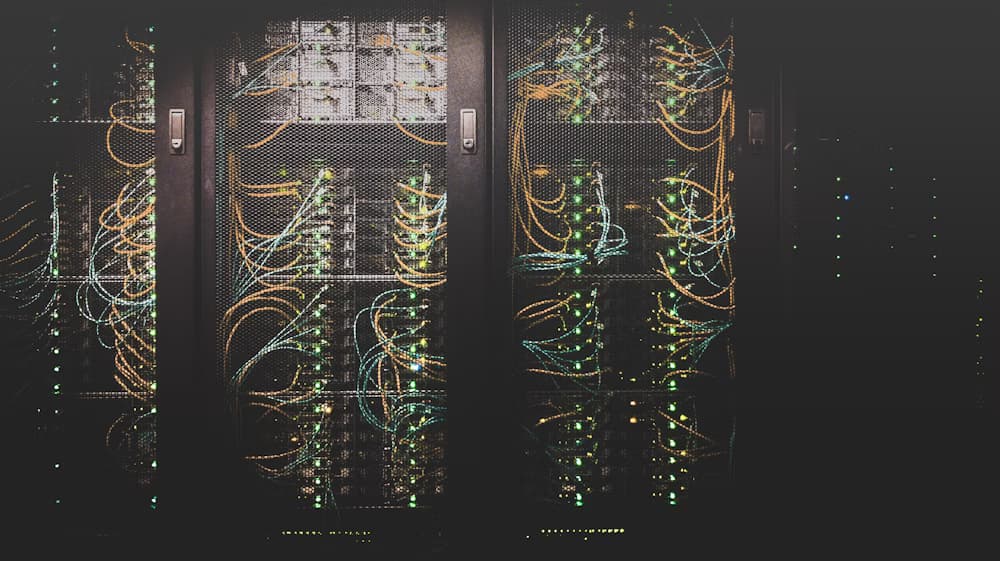
Choosing the Right Hardware
The hardware you choose for your homelab will determine its capabilities, power consumption, and future expandability. The good news is that you don't need expensive enterprise equipment to build a powerful homelab.
Modern mini PCs and consumer hardware can run multiple virtual machines, containers, and services while maintaining low power consumption and noise levels suitable for home environments.
Budget Tier: $200-500
Mini PC Solutions
For beginners or those with basic needs, a mini PC offers the perfect entry point. These compact devices provide enough power for essential homelab services while maintaining extremely low power consumption.
- Intel NUC 11 or 12: Reliable, efficient, excellent Linux support
- Beelink Mini S12: Budget-friendly option with good performance
- ASUS PN50/PN51: AMD Ryzen-based, great price-to-performance ratio
Look for models with at least 16GB RAM (upgradeable), NVMe SSD storage, and multiple USB ports. Gigabit Ethernet is essential, and Wi-Fi 6 is a nice bonus.
Services You Can Run:
- Plex or Jellyfin media server
- Nextcloud for file storage
- Pi-hole for network-wide ad blocking
- Bitwarden password manager
- Basic home automation with Home Assistant
Mid-Range Tier: $500-1200
Custom Build or Workstation
This tier offers significantly more performance and expandability. You can either build a custom system or repurpose a used workstation. This setup can handle more demanding services and multiple simultaneous users.
Recommended Specs:
- CPU: AMD Ryzen 5 5600G or Intel i5-12400
- RAM: 32-64GB DDR4
- Storage: 1TB NVMe SSD + 4-8TB HDD for bulk storage
- Network: 2.5GbE or 10GbE network card
Used Workstation Options:
- HP Z440/Z640: Xeon processors, ECC RAM support
- Dell Precision T3600/T5600: Excellent build quality, quiet operation
- Lenovo ThinkStation P320: Modern platform with good upgrade potential
Enthusiast Tier: $1200+
Enterprise Equipment
For those who want maximum performance, redundancy, and enterprise features, used server hardware offers incredible value. These systems provide features like ECC RAM, RAID controllers, and IPMI for remote management.
Popular Server Options:
- Dell PowerEdge R720: 2U rackmount, dual CPU support
- HP ProLiant DL380 G8/G9: Excellent reliability and support
- Supermicro X10/X11 series: Great for custom builds
Note: Enterprise servers can be loud and power-hungry. Consider tower servers or look for low-power variants if noise and electricity costs are concerns.
Essential Peripherals
Network Equipment
- Managed Switch: Ubiquiti UniFi or TP-Link Omada series
- Router: pfSense box or enterprise router for advanced features
- Cables: Cat6 or Cat6a for future-proofing
Storage
- NAS Drives: WD Red or Seagate IronWolf for 24/7 operation
- UPS: APC or CyberPower for power protection
- External Backup: USB drives for offline backups
Power and Cooling Considerations
Calculate your power consumption carefully. A homelab should ideally consume less than 100W at idle and scale appropriately under load. This keeps electricity costs reasonable and reduces heat generation.
For cooling, ensure proper airflow and consider the ambient temperature of your homelab location. Many modern systems are designed to run efficiently in home environments without requiring specialized cooling.
Future Expansion Planning
When choosing hardware, think about future needs. Buy a system with extra RAM slots, PCIe slots, and storage bays. It's easier and more cost-effective to upgrade existing hardware than to replace it entirely.
Consider starting with a single powerful machine and adding specialized devices (like a dedicated NAS or security appliance) as your needs grow and your skills develop.
