Homelab Power Efficiency: Reduce Your Electric Bill
Optimize your homelab power consumption. Learn to measure, monitor, and reduce electricity costs while running your self-hosted services 24/7.
Posted by
 Rafal Gawlik
Related reading
Private Cloud vs Public Cloud: When to Self-Host and When Not To
Understand when self-hosting makes sense and when public cloud is better. A practical guide to choosing between private cloud homelab and AWS/GCP/Azure services.
Homelab Documentation: Wiki.js vs BookStack for Self-Hosted Wikis
Document your homelab setup with self-hosted wikis. Compare Wiki.js and BookStack for creating searchable documentation of your infrastructure and procedures.
Docker Security Scanning: Trivy and Dockle for Safe Containers
Scan your Docker images for vulnerabilities before deploying. Learn to use Trivy and Dockle to secure your self-hosted homelab container infrastructure.
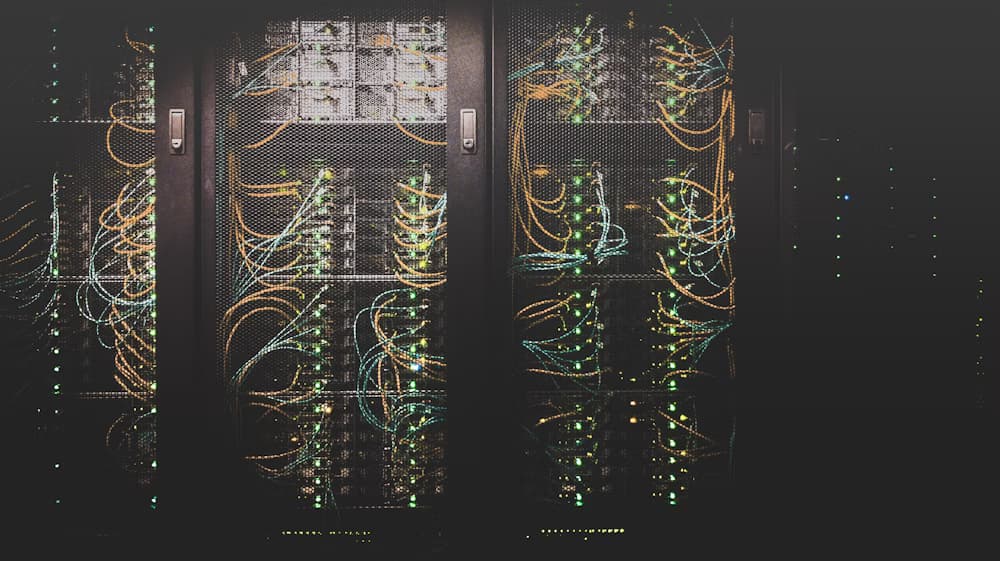
Power Costs Add Up
A homelab running 24/7 consumes electricity constantly. At $0.12/kWh, a 100W server costs about $105/year. An inefficient 300W setup costs $315/year. Efficiency matters!
Measure First
You can't optimize what you don't measure. Get a Kill-A-Watt meter ($20-30) to measure actual power draw.
# Calculate annual cost
Watts × 24 hours × 365 days ÷ 1000 × $/kWh = Annual Cost

# Example: 50W server at $0.12/kWh
50 × 24 × 365 ÷ 1000 × 0.12 = $52.56/year

# Example: 200W server at $0.12/kWh
200 × 24 × 365 ÷ 1000 × 0.12 = $210.24/year
Hardware Choices
- Mini PCs (10-25W): Best efficiency for light workloads
- Intel NUC/AMD alternatives: Great performance per watt
- Avoid old enterprise servers: Often 200-400W idle
- Raspberry Pi (3-5W): Lowest power for simple tasks
Software Optimization
# Enable CPU power saving
sudo apt install cpufrequtils
sudo cpufreq-set -g powersave

# Check current frequency
cat /proc/cpuinfo | grep MHz

# Enable disk spindown (HDDs)
sudo hdparm -S 60 /dev/sda  # Spindown after 5 minutes
Consolidation Tips
- Run multiple services on one machine with Docker
- Use containers instead of separate VMs
- Turn off development machines when not in use
- Schedule backups during off-peak hours
